Reacting to Fuel Emergencies Effectively: Your Guide to Fuel Emergency Response
Updated: Aug 21
Putting the wrong fuel in your car is a nightmare. It happens more often than you think, and the consequences can be costly and stressful. But don’t panic. Reacting quickly and correctly can save your vehicle from serious damage and get you back on the road faster. This guide will walk you through the essential steps of fuel emergency response, so you know exactly what to do if you ever find yourself in this situation.
Understanding Fuel Emergency Response: Act Fast, Act Smart
When you realise you’ve put the wrong fuel in your car, every second counts. The first thing to do is stop the engine immediately. Running the engine with the wrong fuel can cause severe damage to the fuel system, engine components, and catalytic converter. Don’t try to drive the car any further.
Next, do not attempt to start the engine again. Even a quick start can circulate the wrong fuel through the system, making repairs more complicated and expensive.
Here’s what you need to do right away:
Turn off the ignition.
Remove the key.
If you’re at a petrol station, inform the staff immediately.
Call a professional fuel emergency response service.
Fuel emergency response is about quick, decisive action. The sooner you get expert help, the less damage your car will suffer. Waiting or trying to fix the problem yourself can lead to costly repairs.

Who to call when you put the wrong fuel in?
Knowing who to call is crucial. You want a service that specialises in handling misfuelling incidents quickly and efficiently. In the UK, there are dedicated companies that offer rapid-response fuel emergency services. They come equipped with the right tools and expertise to drain the wrong fuel safely and clean your vehicle’s system.
If you find yourself in a wrong fuel emergency, contact a trusted fuel emergency response provider immediately. They will:
Dispatch a technician to your location.
Drain the incorrect fuel from your tank.
Flush the fuel system to prevent damage.
Provide advice on what to do next.
Avoid calling a general breakdown service first, as they may not have the specialised equipment or knowledge to handle fuel emergencies properly. The right team will save you time, money, and stress.
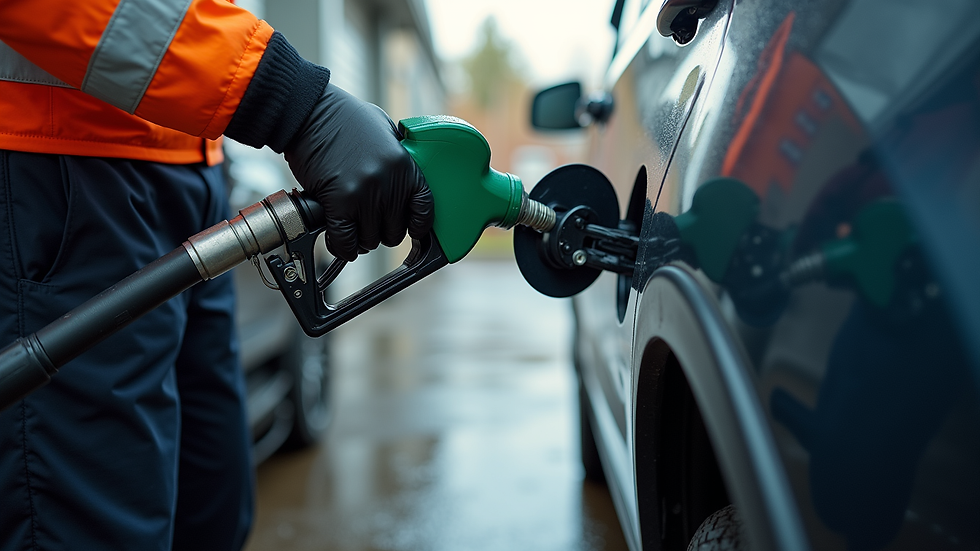
What happens during a fuel emergency response?
When the fuel emergency response team arrives, they’ll assess the situation quickly. Their goal is to remove the wrong fuel without causing further harm. Here’s what typically happens:
Vehicle inspection - They check the fuel type, how much wrong fuel was added, and whether the engine was started.
Fuel draining - Using specialised equipment, they drain the contaminated fuel from the tank.
System flushing - They flush the fuel lines and filters to clear any remaining wrong fuel.
Refuelling - Once the system is clean, they add the correct fuel.
Testing - They start the engine to ensure everything runs smoothly.
This process prevents damage to the engine and fuel system components. It’s important to let professionals handle this because improper draining or flushing can cause more harm than good.
Preventing fuel emergencies: Tips to avoid misfuelling
Prevention is always better than cure. Here are some practical tips to avoid putting the wrong fuel in your car:
Check your fuel type before filling up. Look at your car’s manual or the sticker inside the fuel flap.
Use fuel stations you trust. Familiar places reduce the chance of mistakes.
Stay focused. Avoid distractions while refuelling.
Double-check the pump label. Petrol and diesel nozzles often look similar but have different sizes.
Ask for help if unsure. Petrol station attendants can assist if you’re uncertain.
By following these simple steps, you can reduce the risk of a fuel emergency and save yourself from unnecessary hassle.
What to do after a fuel emergency response?
Once the wrong fuel has been removed and your car is running again, don’t ignore the situation. Take these steps to ensure your vehicle stays in good shape:
Monitor your car’s performance. Listen for unusual noises or check for warning lights.
Get a full vehicle inspection. Visit a trusted mechanic to check for any hidden damage.
Keep records of the incident. This can help with insurance claims or future repairs.
Learn from the experience. Use it as a reminder to be extra cautious next time you refuel.
Fuel emergencies can be stressful, but with the right response, you can minimise damage and get back on the road quickly.
Staying prepared for any fuel emergency
Fuel emergencies can happen to anyone. Being prepared means knowing what to do and who to call. Keep the contact details of a reliable fuel emergency response service saved on your phone. If you ever face a misfuelling incident, you’ll be ready to act fast.
Remember, the key to effective fuel emergency response is immediate action. Don’t start the engine, don’t drive the car, and don’t try to fix it yourself. Call the experts and let them handle the problem safely.
By staying calm and following these steps, you’ll protect your vehicle and avoid costly repairs. Fuel emergencies are inconvenient, but they don’t have to be disastrous.
Reacting to fuel emergencies effectively is about speed, knowledge, and the right help. Keep this guide handy, and you’ll be ready if the unexpected happens.


